


Blood sugar is often discussed in the context of diabetes. However, researchers now recognize that the body's response to food after a meal plays an important role in metabolic health across the general population.
Every time we eat, carbohydrates are broken down into glucose, which enters the bloodstream. In response, insulin is released, allowing glucose to move into cells where it can be used as fuel or stored for later use.
In healthy individuals, this process is tightly regulated. Blood glucose rises after eating, reaches a peak, and gradually returns to baseline. The magnitude and duration of this response vary considerably depending on the composition of the meal.
Over the past decade, researchers have increasingly focused on postprandial glucose response—the change in blood glucose that occurs after eating—as an important marker of metabolic health.
Why Do Some Meals Produce Larger Glucose Spikes?
Not all carbohydrates affect the body in the same way.
The post-meal glucose response depends on many factors, including:
-
the amount and type of carbohydrates consumed
-
dietary fiber
-
protein quality and content
-
fat profile and content
-
food structure (often referred to as the food matrix)
-
the gut microbiome
-
individual metabolic characteristics
For this reason, researchers today study complete dietary patterns and whole foods rather than focusing on individual nutrients alone.
The Mediterranean Diet and Glucose Metabolism
One dietary pattern that has been consistently associated with better metabolic health is the Mediterranean diet.
More recently, researchers have investigated a variation known as the Green Mediterranean Diet, which emphasizes greater intake of polyphenol-rich plant foods while reducing red and processed meat consumption.
Several clinical studies have demonstrated that this dietary pattern may improve multiple markers of metabolic health, including glucose regulation, cardiovascular health, liver fat accumulation, and the gut microbiome.
Where Does Mankai Fit Into This Research?
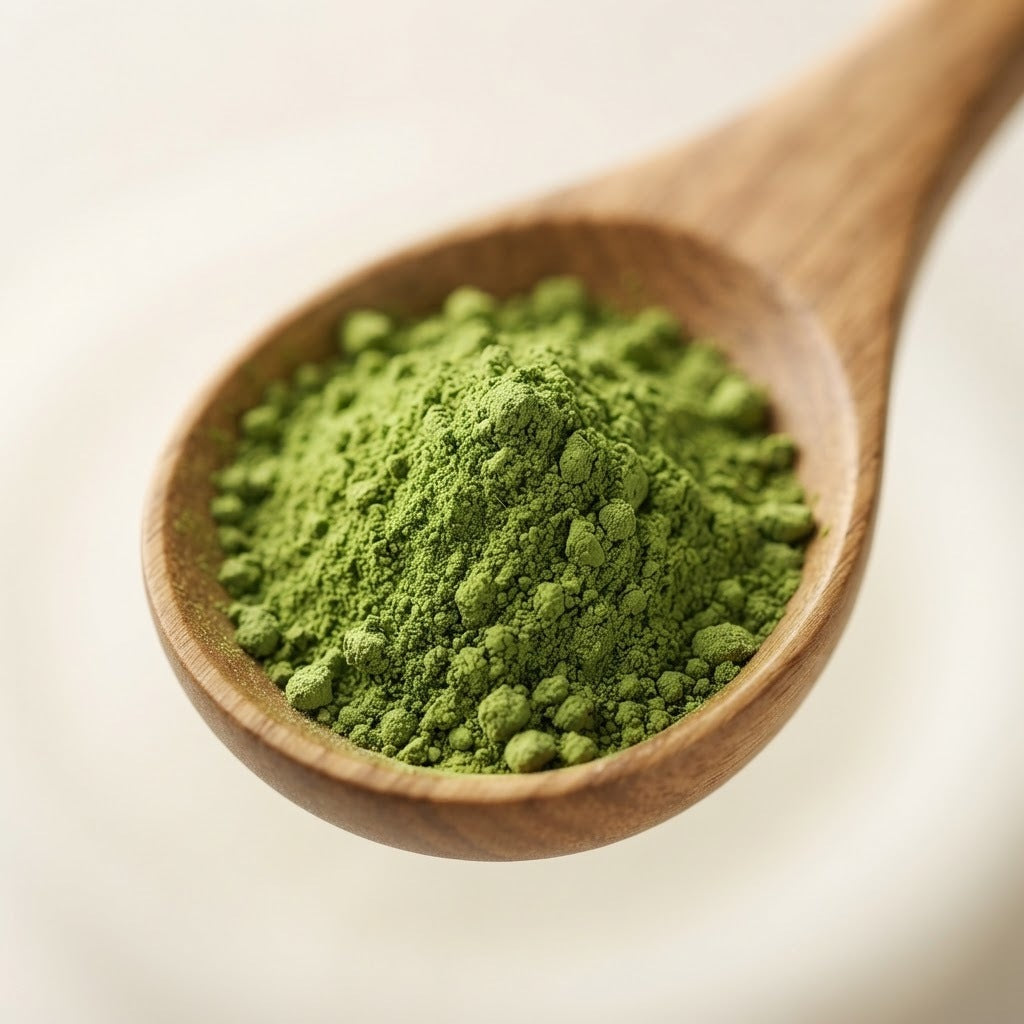
Mankai (Wolffia globosa) is a tiny aquatic vegetable that has become one of the key foods investigated as part of the Green Mediterranean Diet.
Unlike dietary supplements or multi-ingredient greens powders, Mankai is a whole-food plant with a naturally diverse nutritional composition, including dietary fiber, complete protein, vitamins, minerals, omega-3 fatty acids, and approximately 200 naturally occurring polyphenols.
Its unique nutritional profile has attracted considerable scientific interest, leading to more than a decade of independent research conducted by leading academic institutions worldwide.
Clinical Studies Evaluating Post-Meal Blood Sugar
Researchers first examined the immediate effect of Mankai on post-meal glucose response in a randomized crossover clinical study.
Participants consumed either a yogurt-based meal or a meal containing Mankai under controlled conditions.
Compared with the yogurt meal, the Mankai meal produced:
-
a 19.3% lower post-meal glucose response
-
a lower and delayed glucose peak
These findings suggest that the nutritional composition of the meal may influence how the body responds after eating.
Importantly, the study did not investigate Mankai as a treatment for diabetes. Rather, it examined how different whole foods affect postprandial glucose dynamics within the context of nutrition research.
Looking Beyond a Single Meal
Subsequent clinical studies expanded these observations.
Researchers evaluating daily Mankai consumption as part of long-term dietary interventions reported favorable effects on measures related to glucose metabolism and insulin activity over time. Participants also reported greater satiety following Mankai consumption.
Additional research involving adults with type 2 diabetes also investigated Mankai within structured dietary interventions, contributing to the growing body of evidence exploring its potential role in glucose metabolism.
Why Researchers Continue to Study Mankai
Although individual nutrients such as fiber or protein are known to influence glucose metabolism, researchers increasingly recognize that foods function as complex biological systems rather than collections of isolated nutrients.
Mankai provides a unique opportunity to study this concept because it maintains the naturally combination of complete protein, dietary fiber, polyphenols, omega-3 fatty acids, vitamins, minerals, and other bioactive plant compounds within a single whole-food matrix.
Scientists continue to investigate how these naturally occurring compositions in their natural matrix contribute to our health and whether the effects differ from those of isolated nutrient.
The Broader Picture
The growing interest in post-meal glucose response reflects a broader shift in nutrition science.
Rather than asking whether a single nutrient changes one biomarker, researchers increasingly examine how overall dietary patterns and whole foods influence interconnected metabolic processes.
Within this context, Mankai has emerged as one of the most extensively studied whole-food plants, with more than 24 peer-reviewed publications and over a decade of independent scientific investigation.
Future research will continue to explore how whole-food nutrition can support healthy metabolism and contribute to long-term health as part of a balanced dietary pattern.