


Why this essential B vitamin matters throughout life.
When most people hear the word folate, they immediately think about pregnancy.
While folate is well known for its role in prenatal nutrition, it's an essential nutrient for everyone. Every day, your body relies on folate to support normal cell function, DNA synthesis, red blood cell formation, and many other important biological processes.
In other words, folate isn't just a pregnancy nutrient—it's an everyday nutrient.
What Is Folate?
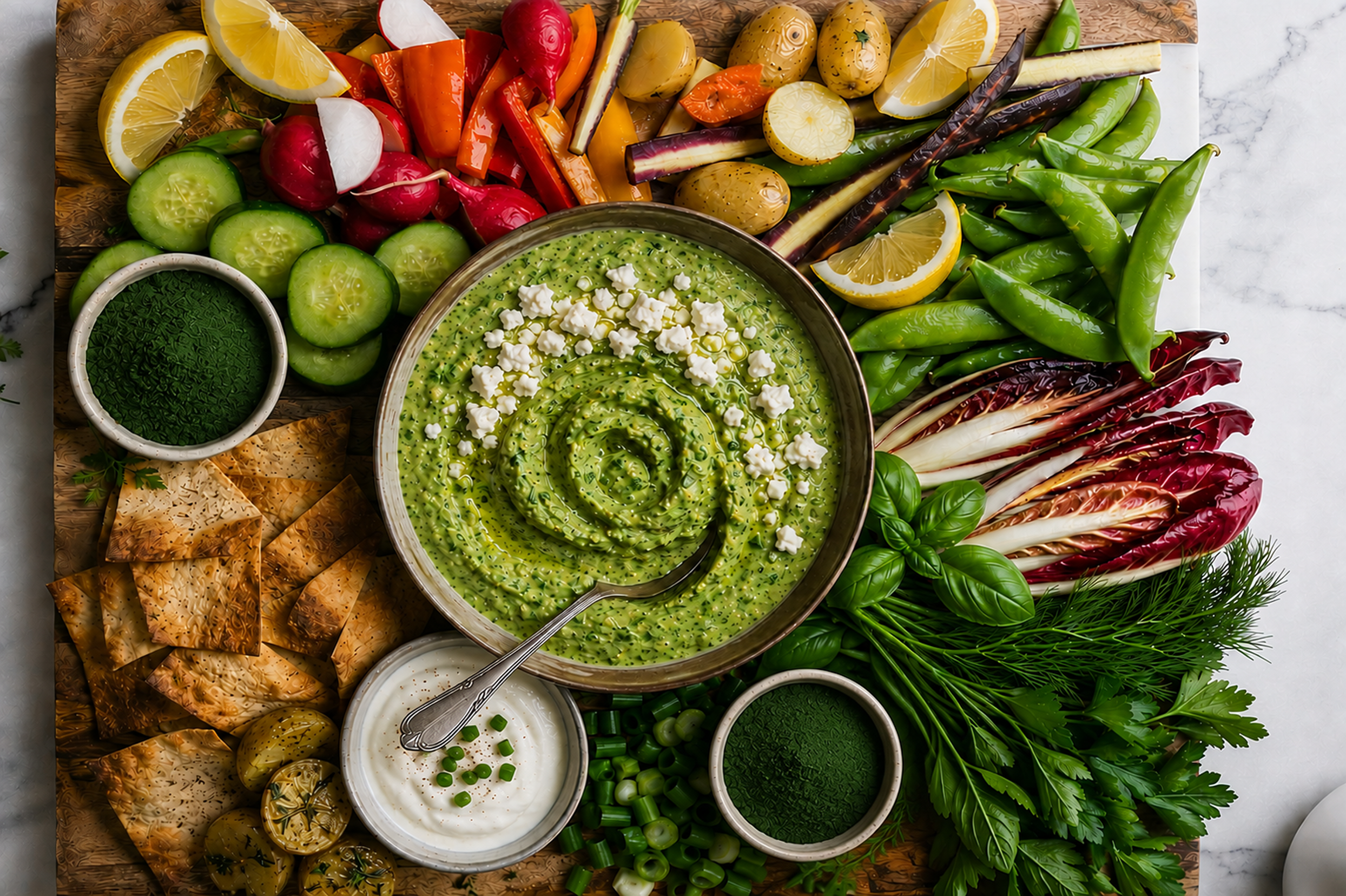
Folate is the naturally occurring form of vitamin B9, found in foods such as leafy green vegetables, legumes, asparagus, broccoli, avocado, and citrus fruits.
Unlike folic acid—the synthetic form commonly found in supplements and fortified foods—folate occurs naturally within whole foods as part of a complex nutritional matrix.
Because the body cannot produce folate on its own, it must be obtained through the diet.
Why Does Your Body Need Folate?
Folate supports several essential functions in the body. It contributes to:
-
Normal DNA synthesis and cell division-Control growth
-
Prevent Neural tube defects
-
Support red blood cell formation
-
Brain function- aid memory, mental clarity and reduced dementia risk
-
Heart Health- Normal homocysteine metabolism- a risk factor for cardiovascular
These processes occur every day, making regular dietary intake of folate important throughout all stages of life—not only during pregnancy.
Why Researchers Continue to Study Folate
Nutrition research has expanded beyond preventing nutrient deficiencies to understanding how dietary patterns rich in naturally occurring nutrients support long-term health.
One of the largest long-term nutrition studies, the DIRECT PLUS trial, investigated a Green Mediterranean Diet—an evolution of the traditional Mediterranean Diet designed to increase the intake of nutrient-dense, polyphenol-rich plant foods.
Alongside vegetables, legumes, whole grains, olive oil, and nuts, the Green-Med diet participants consumed Mankai and green tea as additional polyphenol-rich foods.
The researchers observed significantly greater increases in serum folate concentrations among participants following the Green Mediterranean Diet compared with both a traditional Mediterranean Diet and healthy dietary guidelines. Within the Green Mediterranean Diet group, higher Mankai intake was associated with greater increases in folate levels. These increased folate levels were significantly associated with reductions in visceral "belly" fat, deep subcutaneous fat, and liver fat, and contributed to reduced cardiovascular risk.
Why Mankai?
Just one daily scoop (5g) of Mankai provides 30% of the Daily Value for folate, making it an Excellent Source of this essential nutrient.
Mankai is also an:
Excellent Source of
-
Iron – works in synergy with folate
-
Vitamin K- may have a complementary role alongside folate
Good Source of
-
Vitamin A
-
Copper
Beyond these nutrients, Mankai naturally contains more than 60 nutrients and over 200 different polyphenols, together with complete protein, beneficial dietary fibers and a diverse range of beneficial plant phytochemicals.
For more than 12 years, Mankai has been the subject of independent scientific research exploring its unique nutritional composition and its role as part of healthy dietary patterns. Clinical studies have also demonstrated the bioavailability of naturally occurring nutrients found in Mankai.
An Easy Way to Add More Folate to Your Day
Eating a variety of whole plant foods remains the best way to increase your intake of folate and other essential nutrients.
With its naturally mild taste, Mankai makes it easy to add whole-food plant nutrition to your everyday meals.
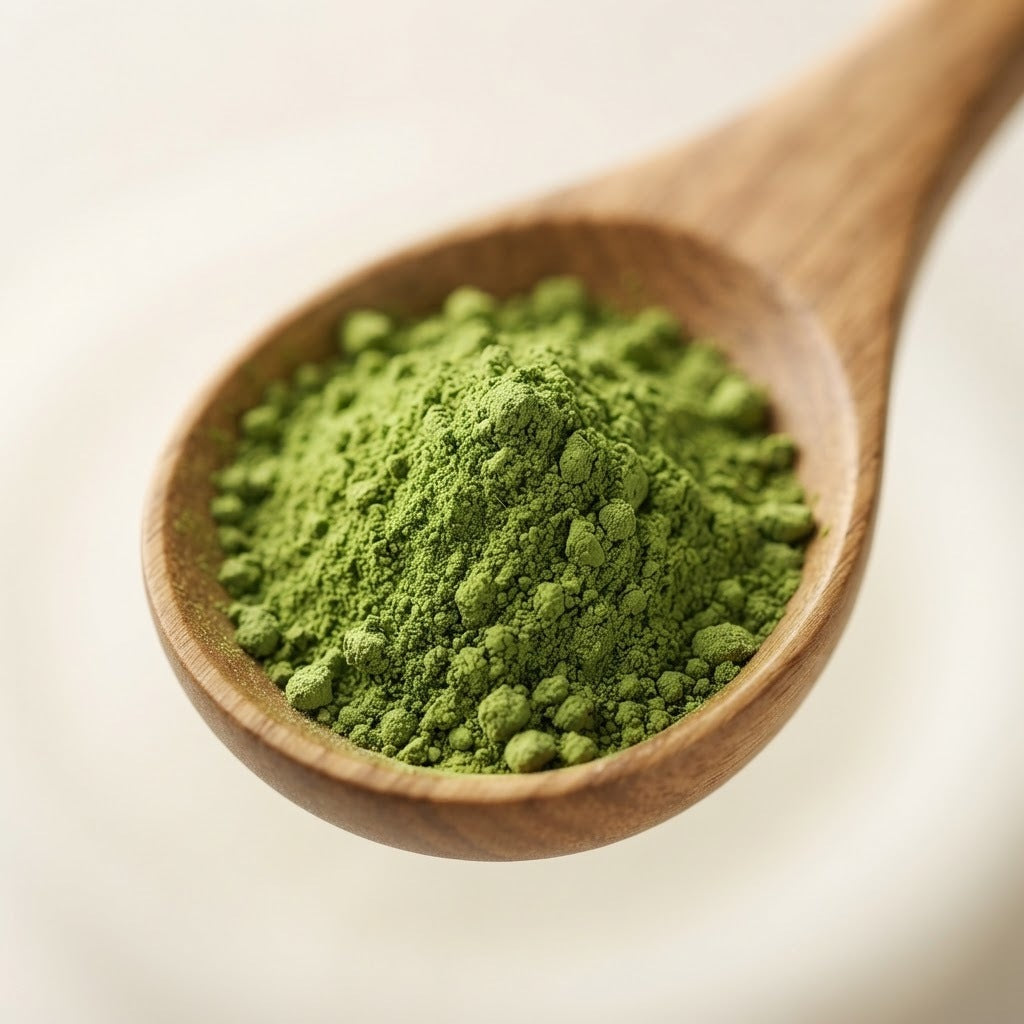
Simply mix one scoop (5g) into smoothies, yogurt, oatmeal, omelet, soups, sauces, or baked goods to add 30% of your Daily Value for folate, along with a naturally diverse range of nutrients and beneficial plant compounds.
Final Thoughts
Folate is much more than a prenatal nutrient.
It supports essential functions that your body performs every day, leading to longevity and biological rejuvenation, making it an important part of a balanced diet throughout life.
As nutrition science continues to evolve, researchers are increasingly interested in how whole dietary patterns, rather than individual nutrients alone, support long-term health. As part of this growing body of research, Mankai continues to be studied for its unique nutritional composition—including its naturally occurring folate, more than 60 nutrients, over 200 different polyphenols, and clinically demonstrated bioavailable nutrients.
Whether you're looking to diversify your plant-based nutrition or simply add more folate-rich foods to your routine, one daily scoop of Mankai is an easy and convenient way to support a varied, nutrient-rich diet.