


Your liver is one of the hardest-working organs in your body.
Every day, it performs hundreds of essential functions—from detoxification and blood filtering to processing nutrients, supporting metabolism and helping maintain the body's natural chemical balance.
Because these processes happen quietly in the background, liver health is often overlooked. Yet lifestyle choices—including nutrition, physical activity, and maintaining a healthy weight—play an important role in supporting normal liver function throughout life.
Why Liver Health Matters
The liver is responsible for filtering the bloodstream, processing nutrients, storing energy, and supporting many normal metabolic processes.
Today, modern lifestyles characterized by highly processed foods, excess calorie intake, and reduced physical activity have contributed to an increase in metabolic conditions associated with excess liver fat.
One challenge is that these changes often develop gradually and may not cause noticeable symptoms in their early stages.
For this reason, healthcare professionals emphasize the importance of healthy lifestyle habits before problems arise.
Lifestyle First
There is no single food that determines liver health.
Instead, research consistently shows that long-term dietary patterns, regular physical activity, and maintaining a healthy body weight are among the most important factors in supporting healthy liver function and overall metabolic health.
Among the dietary patterns receiving considerable scientific attention is the Mediterranean Diet, which emphasizes vegetables, legumes, whole grains, olive oil, nuts, and other minimally processed foods.
More recently, researchers have explored whether increasing the intake of nutrient-dense green plants within this dietary pattern may provide additional metabolic benefits.
What the Research Shows
One of the largest nutrition studies to investigate this question was published in the journal Gut.
Researchers evaluated a Green Mediterranean Diet, a variation of the traditional Mediterranean Diet that included Mankai and green tea as part of the overall dietary pattern.
Compared with participants following a traditional Mediterranean Diet, those following the Green Mediterranean Diet experienced a significantly greater reduction in liver fat. The reduction was more than double that of the traditional Mediterranean group (−38.9% proportional reduction in the Green-MED group vs. −19.6% in the traditional MED group) and more than triple that of the group following standard healthy dietary guidelines (−12.2%). This superior effect on intrahepatic fat (IHF) loss was achieved despite similar moderate weight loss observed in both Mediterranean diet groups. Additionally, the Green Mediterranean Diet strategy was proven to reduce the prevalence of non-alcoholic fatty liver disease (NAFLD) by half, decreasing from a 62% baseline prevalence to 31.5% after 18 months. Higher consumption of Mankai was specifically identified as an independent predictor of this greater liver fat loss.
Importantly, the study evaluated the entire dietary pattern, not Mankai alone, highlighting the potential benefits of combining nutrient-dense plant foods with healthy lifestyle habits. The study also observed the association between elevated folate levels in the blood and decreased fatty liver. The elevated folate levels where strongly associated with Mankai consumption.

Why Researchers Continue to Study Mankai
Mankai is a unique whole-food plant that naturally contains a broad range of nutrients and beneficial plant compounds within a single plant.
For more than 12 years, independent researchers have studied Mankai's unique nutritional composition and its potential role as part of healthy dietary patterns.
Clinical research has also demonstrated the bioavailability of naturally occurring nutrients in Mankai, contributing to ongoing scientific interest in this unique whole-food plant.
An Easy Addition to Everyday Meals
Healthy eating doesn't have to be complicated.
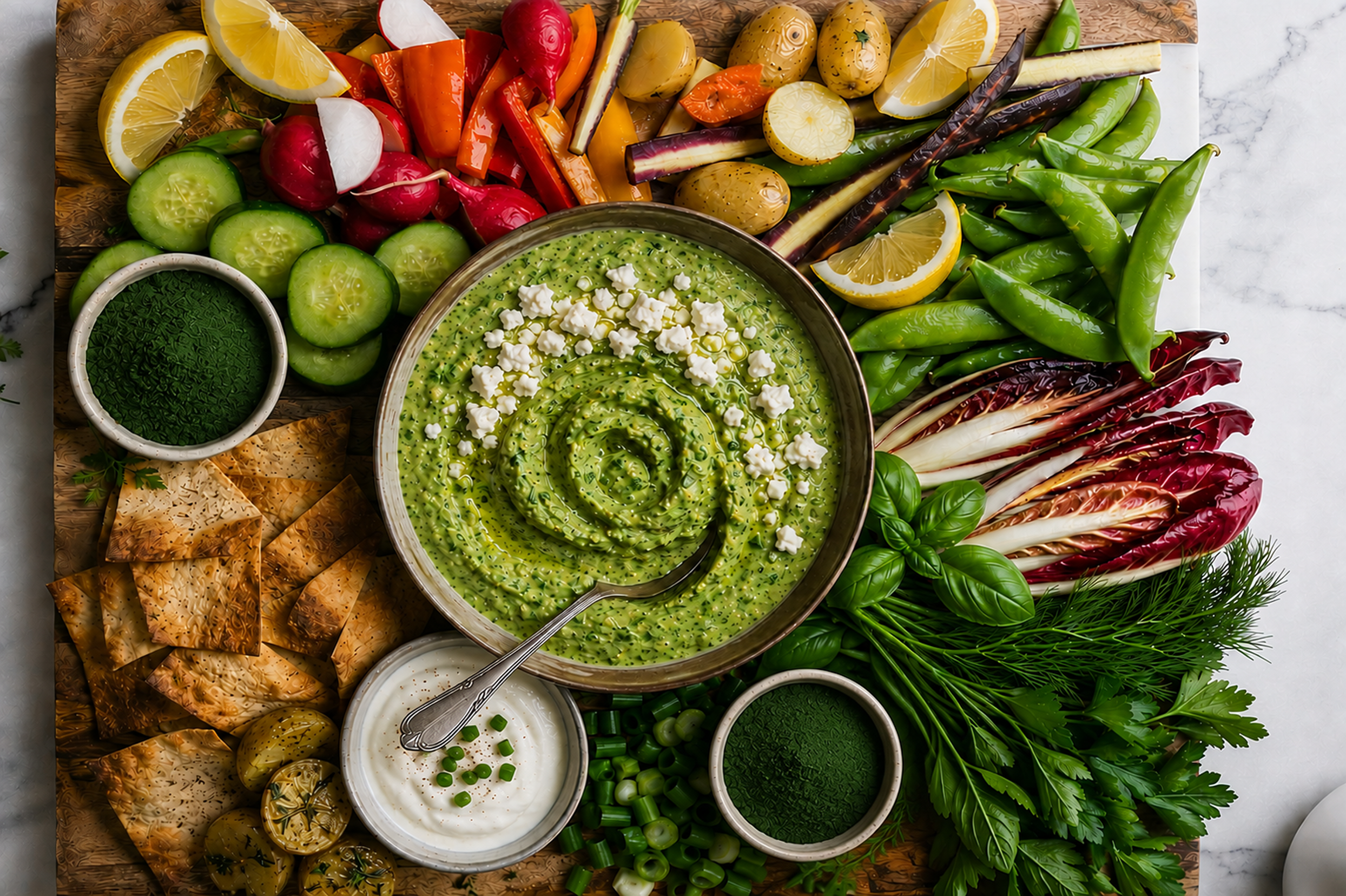
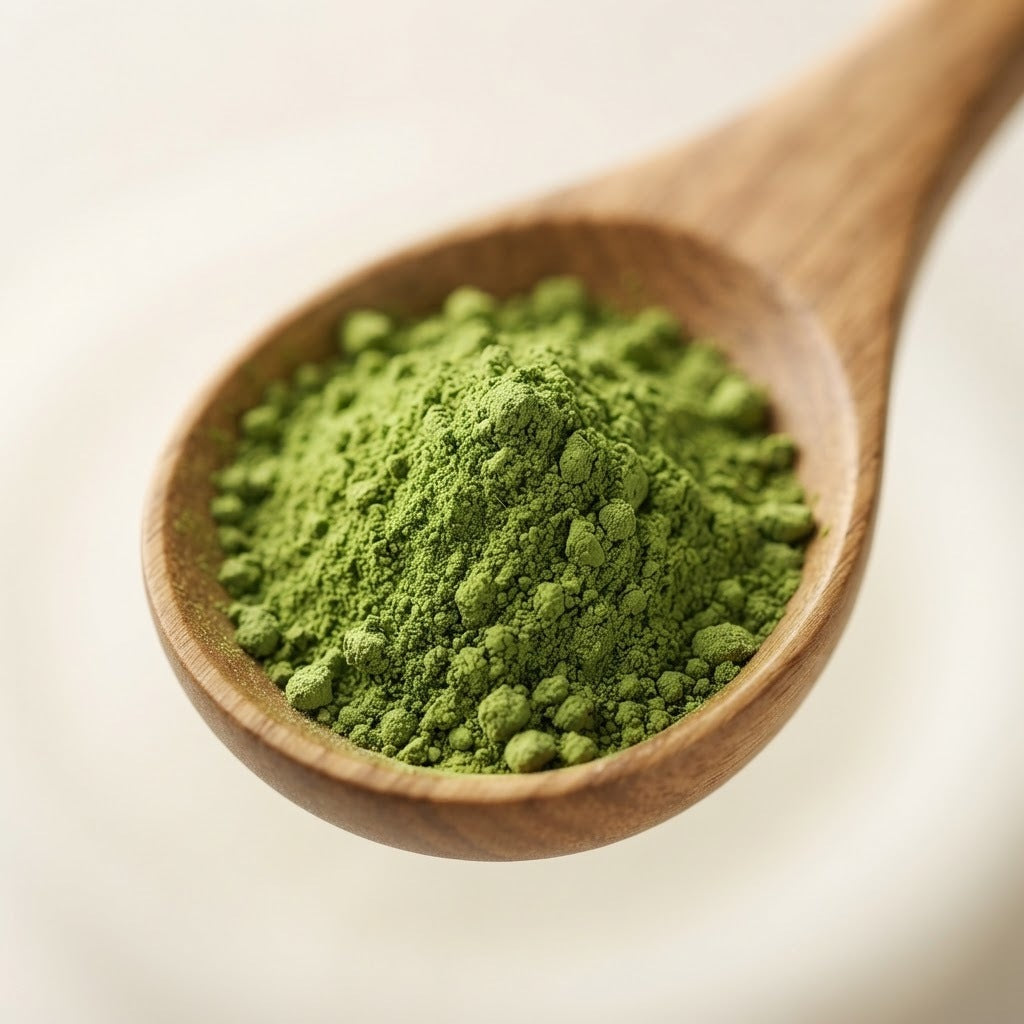
Thanks to its naturally mild taste, Mankai blends easily into smoothies, yogurt, soups, pasta dishes, sauces, baked goods, or simply mixed into water.
Adding one daily scoop is an easy way to incorporate whole-food plant nutrition into your everyday routine.
Final Thoughts
Supporting liver health begins with everyday habits.
A balanced dietary pattern, regular physical activity, and maintaining a healthy weight all contribute to long-term metabolic health.
As part of this growing body of nutrition research, the Green Mediterranean Diet—including Mankai as one component of the overall dietary pattern—continues to be studied for its potential role in supporting overall healthy metabolism.