

The Protein-Packed, Aquatic Supergreen That Has Researchers Buzzing
The newest potential superfood on the block has arrived, and while it may have a funny-sounding name to many of us in the U.S., the emerging health benefits of this ingredient is nothing to laugh at. Mankai duckweed is an edible aquatic plant (a veggie that grows in water) full of nutrients and sustainability potential that scientists just can’t ignore. But what exactly is it, how do you eat it, and where can you find it? Here’s everything to know about this protein-packed water plant.
What is Mankai Duckweed?
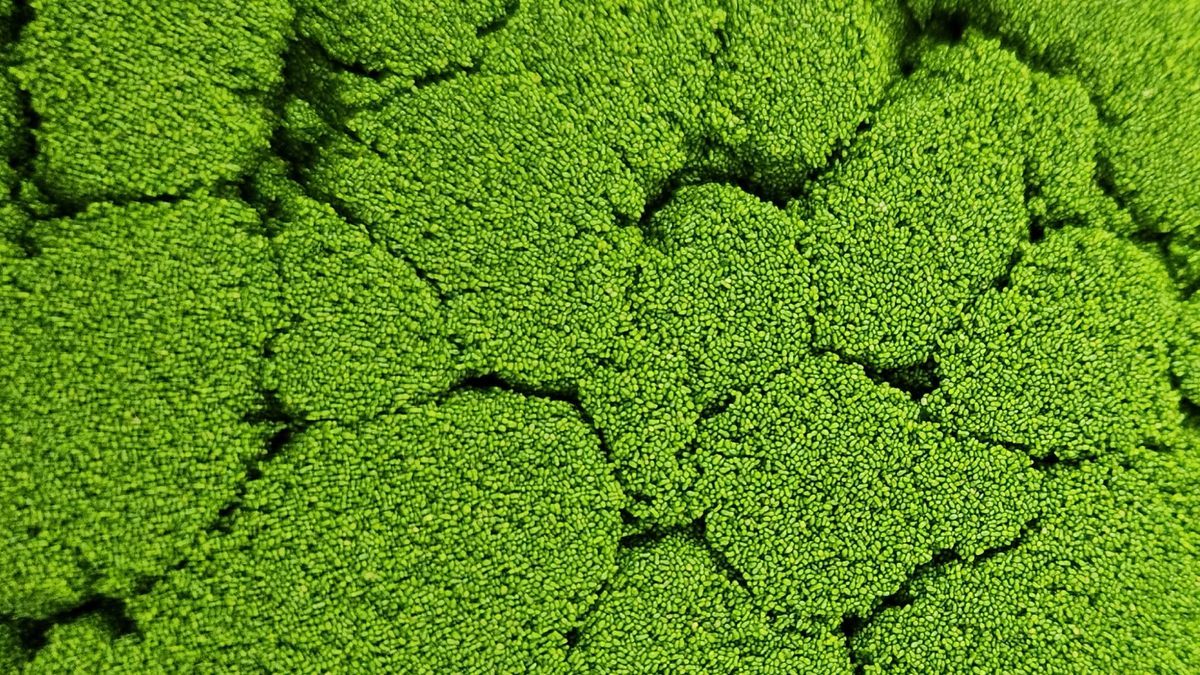
Mankai duckweed (scientific name Wolffia globosa) is a variety of duckweed, or aquatic plant, that has a long history in Southeast Asia. These tiny pond plants grow on top of sitting freshwater, looking almost like free-floating four-leaf clovers. For hundreds of years, Mankai duckweed has been a cherished food source for the people and animals of this region due to its high protein content—earning it the title of “vegetable meatball” as an invaluable part of the diet.
Fast forward to today, and Mankai has become popular in far more communities around the globe. While production of this plant is starting in many nations, much of what is available for purchase presently is produced in Israel. Mankai duckweed has a very neutral flavor, lending itself easily to many different kinds of dishes, from sweet to savory
Health Benefits of Mankai Duckweed
From its impressive nutrition profile to its proven health outcomes, Mankai duckweed’s health benefits are quite far-reaching. Here are some of the most noteworthy nutrients and health benefits of this revolutionary plant impressing scientists everywhere.
1. It’s a complete protein.
When it comes to plant-based foods, it can be tricky to find complete proteins, which are foods that contain all nine essential amino acids. Mankai duckweed, however, is not only a complete protein, but is chock full of this macronutrient, containing up to 45 percent protein per total volume, similar to eggs. Plus, one small study published in Clinical Nutrition found the absorption of these essential amino acids to be very high—similar to that of soft cheese and pea protein equivalents, illustrating its high bioavailability.
2. It's loaded with beneficial plant compounds.
Mankai duckweed contains an impressive 200 polyphenols or bioactive plant compounds. Research published in Nutrients found these compounds to positively influence the vitality of healthy gut bacteria, increasing the overall health of the gut microbiome. Our gut microbiomes work hard behind the scenes to improve the health of nearly every body system. This kind of duckweed is also particularly high in compounds lutein and zeaxanthin. While these are potent anti-inflammatory antioxidants, like their fellow polyphenols, they are especially effective at improving eye health.
3. It contains immune-boosting vitamin A and zinc.
This aquatic plant is also super rich in both vitamin A and zinc. These micronutrients play pivotal roles in our immune health, helping us to both avoid illness and recover quickly when we do get sick.
4. It may support a healthy heart.
The nutrition found in Mankai duckweed has had so many scientists and health professionals enamored that a new spin on the Mediterranean diet was created just to feature this plant. The ‘Green Mediterranean diet’ is the Mediterranean diet you’ve likely heard of, but with the daily addition of walnuts, green tea, and 100 grams of Mankai duckweed.
Researchers found this eating plan to be highly impactful on cardiovascular health, lowering bad (low-density lipoprotein, or LDL) cholesterol, raising good (high-density lipoprotein, or HDL) cholesterol, and decreasing inflammatory markers within the body, like C-reactive protein (or CRP). Plus, Mankai is a great source of omega-3 fatty acids, a kind of anti-inflammatory fat that carries out many of the same aforementioned heart health benefits throughout the body.
5. It’s a great source of iron and folate.
Mankai duckweed is also full of iron and folate (a B vitamin). While we have the green Mediterranean diet in mind, another study found this eating plan to increase levels of iron and folic acid (a type of folate) in the body, despite participants’ low intake of red meat. This same study also found Mankai supplementation to reverse iron-deficiency anemia in rats, fascinatingly enough.
6. It’s a unique plant source of vitamin B12.
If you’re a vegan or vegetarian, you know just how hard it can be to get enough vitamin B12 through food alone. Mankai duckweed is here to help with that, too! An article published in Nutrients found that this duckweed is not only an excellent source of B12, but also highly bioavailable and absorbable. B12 is vital for DNA, nerve, and red blood cell formation, as well as overall cellular metabolism.
7. It may help manage blood sugar levels.
Healthcare professionals know that high-protein foods help dull the blood sugar response when eaten alongside carbohydrates, but the initial findings of Mankai duckweed’s effect on blood sugars takes these benefits to the next level. A small randomized control trial published in Diabetes Care found participants who consumed a meal replacement shake made with Mankai over a few-months period exhibited lower peak blood sugar levels after eating, delayed blood sugar responses after eating, shorter glucose uptake periods after eating, and lower fasting blood sugar levels upon waking in the morning when compared to a control group drinking a yogurt shake. Mankai’s positive effect on multiple parts of the glucose regulation system is great news for those with diabetes but also for those looking to avoid it.
Mankai Duckweed Is a Sustainable Food
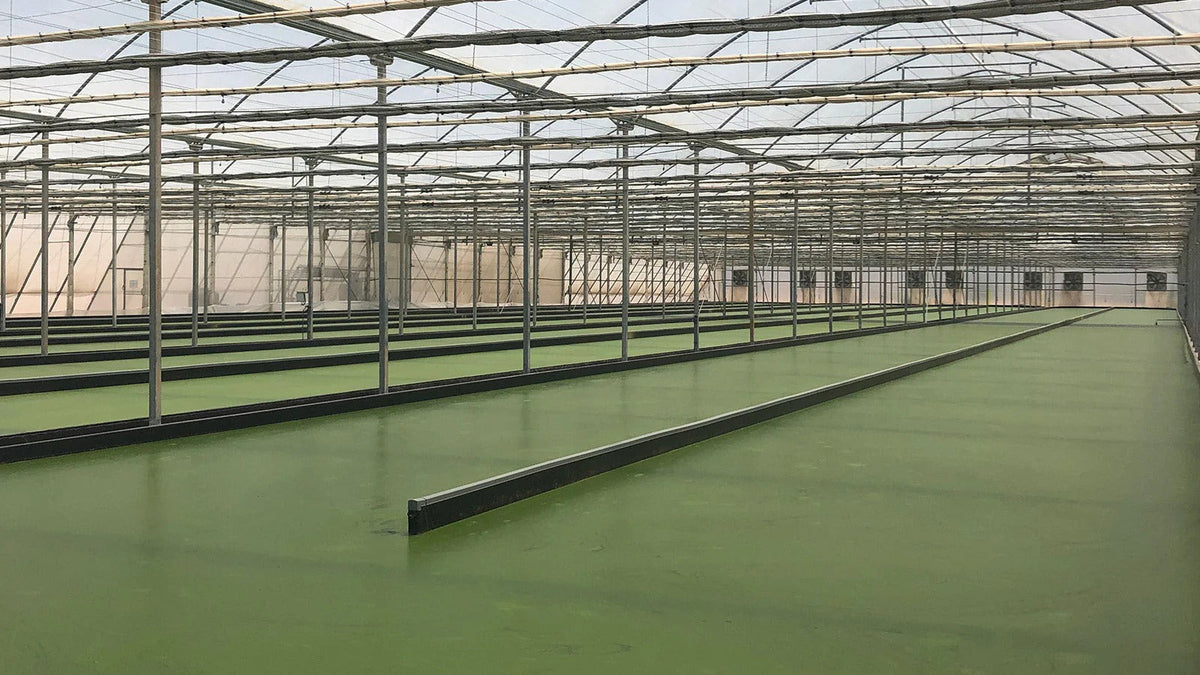
If the health benefits of Mankai duckweed aren’t enough to pique your interest, this superfood also taps into the next wave of food trends focused on foods that don’t just benefit our own health but the health of the planet, too. This aquatic plant grows rapidly—doubling in mass every 72 hours with minimal fresh water and light, easily growing to overabundance. In fact, it can grow a staggering 50 times faster than corn per day, according to scientists at Rutgers University. Because they’re freshwater plants, they can also easily be grown hydroponically with a fraction of the water when compared to kale, spinach, or soy. This means it can provide nutrient-dense food all year around without requiring arable land, an increasing precious resource across the globe. This tiny plant, (measuring up at less than 1/64 of an inch) can even be grown on (clean) wastewater, helping to work toward viable solutions for the water scarcity countless global communities are facing.