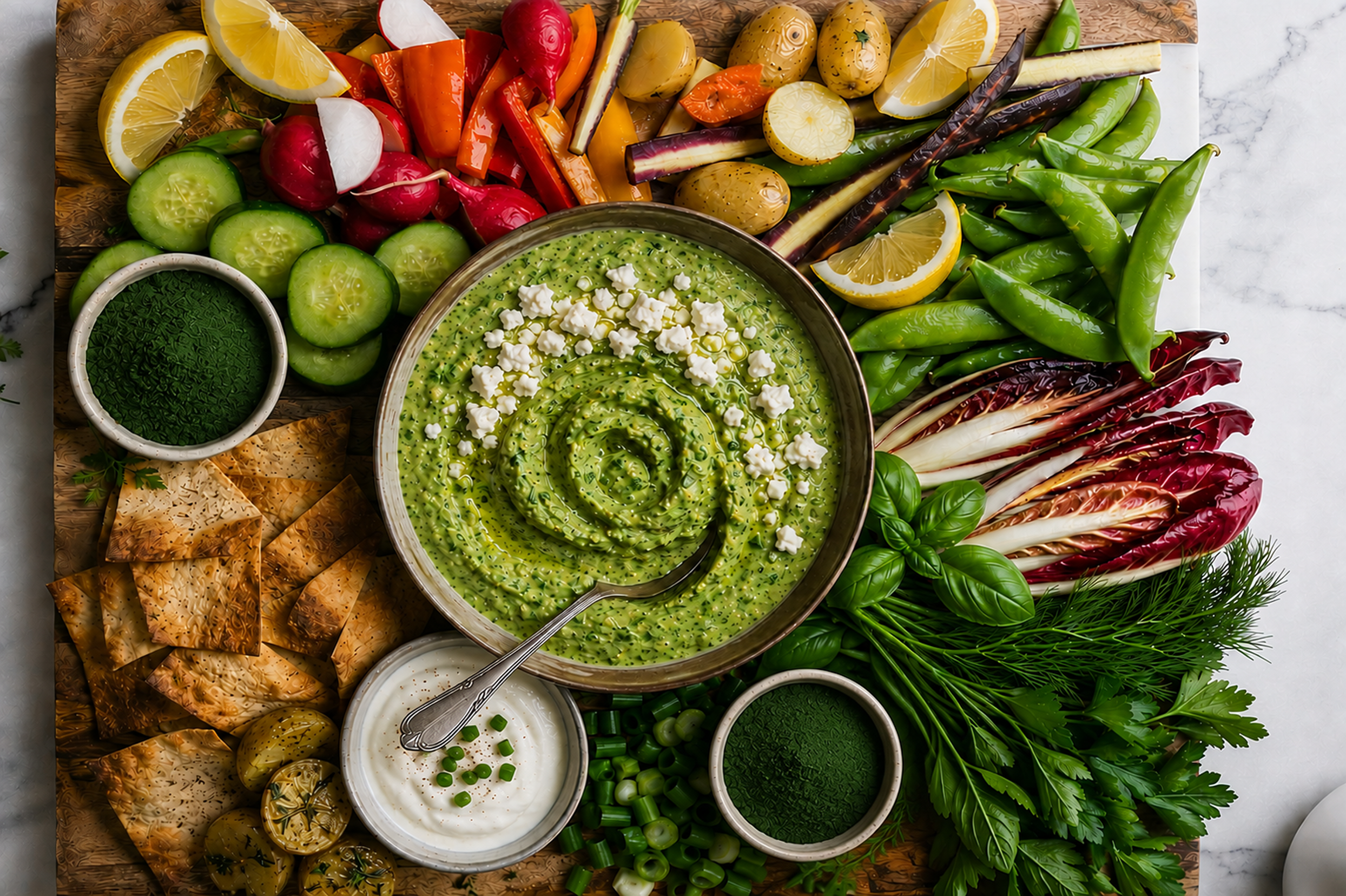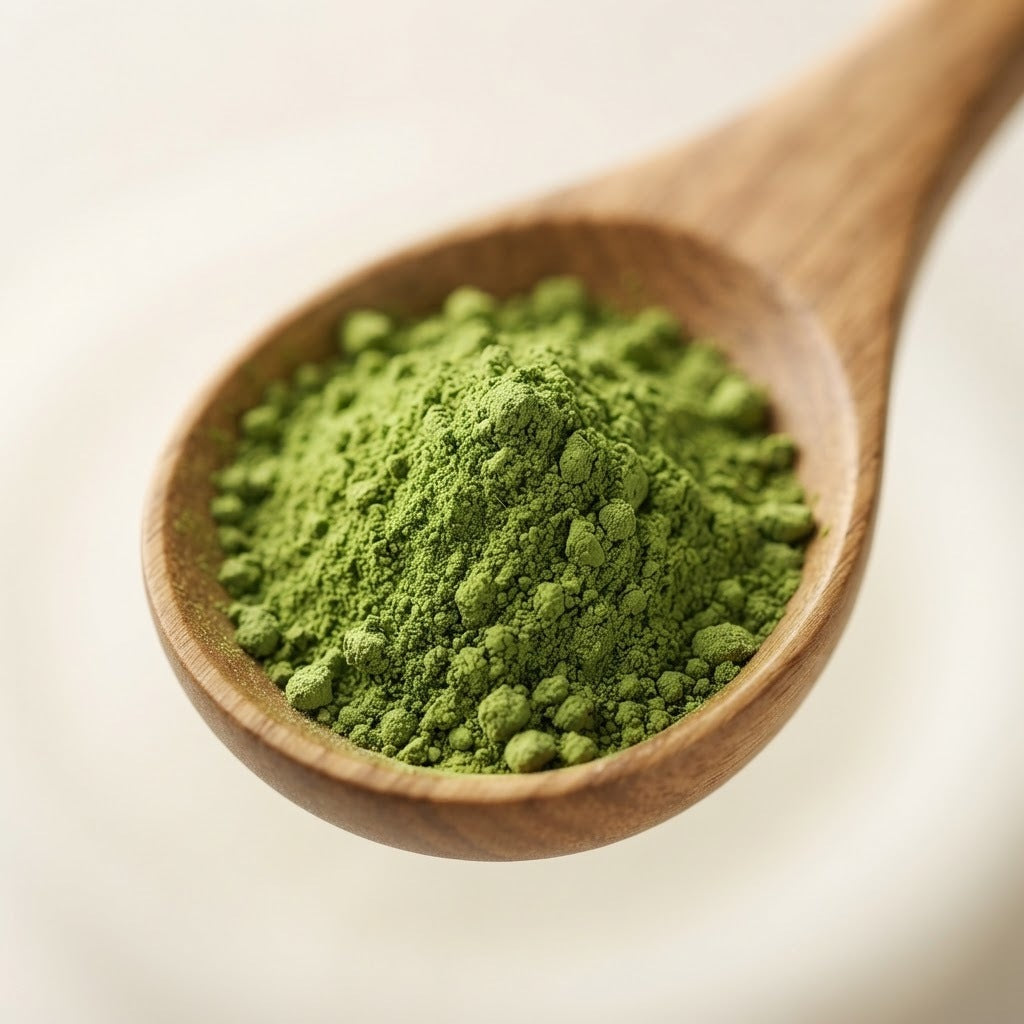



Why scientists are paying closer attention to polyphenols—and how they inspired the Green Mediterranean Diet.
For many years, healthy eating focused on getting enough protein, vitamins, minerals, and healthy fats.
While these nutrients remain essential, nutrition science has evolved. Researchers are now paying increasing attention to another group of naturally occurring plant compounds called polyphenols.
Found in vegetables, fruits, herbs, legumes, nuts, tea, cocoa, and many other plant foods, polyphenols are one of the fastest-growing areas of nutrition research. Today, scientists believe that the health benefits of plant-rich diets may come not only from their vitamins and minerals, but also from the remarkable diversity of beneficial plant compounds they contain.
What Are Polyphenols?
Polyphenols are naturally occurring compounds produced by plants.
Scientists have identified thousands of different polyphenols, each with its own unique structure. Unlike vitamins and minerals, they are not classified as essential nutrients, but they are naturally present in many of the foods that make up a healthy diet.
Different plants contain different combinations of polyphenols, which is one reason nutrition experts encourage eating a wide variety of plant foods rather than relying on only a few.
Increasingly, researchers believe that plant diversity leads to polyphenol diversity—and that both may be important components of a healthy dietary pattern.
Polyphenols: More Than Natural Antioxidants
One reason polyphenols have attracted so much scientific attention is that many of them also have antioxidant activity.
Every day, our bodies naturally produce molecules known as free radicals as part of normal metabolism. Environmental factors such as sunlight, air pollution, smoking, and other lifestyle factors can also increase their production.
Our bodies have natural defense systems to help maintain this balance, and antioxidants obtained through a balanced diet contribute to protecting cells from oxidative stress.
Many polyphenols act as naturally occurring antioxidants, which is one reason diets rich in colorful fruits, vegetables, herbs, legumes, tea, and other plant foods continue to be widely studied by nutrition researchers.
Today, scientists are interested not only in consuming more antioxidants, but also in increasing the variety of antioxidant-rich plant foods in the diet.
Polyphenols have functions beyond antioxidant activity, contributing to cellular signaling, inflammatory regulation, and overall health.
From the Mediterranean Diet to the Green Mediterranean Diet
The Mediterranean Diet has long been recognized as one of the world's healthiest dietary patterns.
As researchers learned more about polyphenols, they asked an important question:
Could increasing the intake of polyphenol-rich plant foods make an already healthy dietary pattern even more diverse?
This question led to the development of the Green Mediterranean Diet.
Building on the principles of the traditional Mediterranean Diet, researchers increased the intake of polyphenol-rich foods by incorporating green tea and Mankai, while reducing red and processed meat.
The goal was not to promote a single food, but to create a dietary pattern naturally richer in diverse polyphenols profile and other beneficial plant compounds.
Why Was Mankai Included?
Researchers selected Mankai because of its unique nutritional composition on top of its unique polyphenol profile.
As a single whole-food plant, Mankai naturally contains:
-
More than 60 naturally occurring nutrients
-
More than 200 different polyphenols
-
Complete protein
-
Dietary fiber
-
A wide variety of vitamins, minerals, and beneficial plant compounds
Just one daily scoop (5g) is an:
Excellent Source of
-
Iron
-
Folate
-
Vitamin K
-
Manganese
Good Source of
-
Vitamin A
-
Copper
-
Zinc
For more than 12 years, independent researchers have studied Mankai's nutritional composition and its role within healthy dietary patterns.
What the Research Showed
One of the landmark studies evaluating the Green Mediterranean Diet was published in the journal Gut.
Researchers compared participants following a traditional Mediterranean Diet with those following the Green Mediterranean Diet, which included Mankai and green tea.
Participants following the Green Mediterranean Diet experienced greater improvements in several metabolic health markers, including liver fat, compared with those following the traditional Mediterranean Diet.
Importantly, these findings reflect the overall dietary pattern, rather than the effects of any single food or ingredient.
The study demonstrates how increasing the diversity of polyphenol-rich plant foods within a balanced dietary pattern may contribute to overall metabolic health.
Bringing More Polyphenols to Your Plate
You don't need to completely change the way you eat to increase your intake of polyphenol-rich foods.
Simple choices such as eating a wider variety of colorful vegetables, berries, legumes, herbs, nuts, olive oil, green tea, and other minimally processed plant foods can naturally increase the diversity of polyphenols in your diet.
With its naturally mild taste, Mankai blends easily into smoothies, yogurt, soups, sauces, oatmeal, and many other everyday meals, making it an easy way to add another unique whole-food plant to your daily routine.
Final Thoughts
Nutrition science continues to evolve.
Today, researchers recognize that healthy eating is about more than individual vitamins and minerals. The diversity of whole plant foods—and the thousands of naturally occurring compounds they contain—has become an important area of scientific research.
The Green Mediterranean Diet reflects this shift by emphasizing a wider variety of polyphenol-rich foods within an already healthy dietary pattern.
As one of the foods included in this research, Mankai continues to be studied for its unique nutritional profile, including more than 60 naturally occurring nutrients, over 200 different polyphenols, and its role as part of balanced, plant-rich dietary patterns.